


Inverse ARP
The Inverse Address Resolution Protocol, also called Inverse ARP, obtains Layer 3 addresses of other stations from Layer 2 addresses, such as the DLCI in Frame Relay networks. It is primarily used in Frame Relay and ATM networks, where Layer 2 addresses of VCs are sometimes obtained from Layer 2 signaling, and the corresponding Layer 3 addresses must be available before these VCs can be used. Whereas ARP resolves Layer 3 addresses to Layer 2 addresses, Inverse ARP does the opposite.
Dynamic Mapping
Dynamic address mapping relies on Inverse ARP to resolve a next hop network protocol address to a local DLCI value. The Frame Relay router sends out Inverse ARP requests on its PVC to discover the protocol address of the remote device connected to the Frame Relay network. The router uses the responses to populate an address-to-DLCI mapping table on the Frame Relay router or access server. The router builds and maintains this mapping table, which contains all resolved Inverse ARP requests, including both dynamic and static mapping entries.
Results 51 to 60 of 169
Thread: -= Cisco CCNA Diary =-
-
11-18-2010, 04:41 AM #51C.I.A.


- Join Date
- Dec 2007
- Posts
- 2,694
 Frame Relay
-
11-18-2010, 07:13 AM #52
Just heard from people discussing about Router-On-A-Stick, what does it mean?
what advatanges & disadvantages on ROAS?
Is this a common setup?
Is ther any other strategy that beats ROAS?
.
-
11-18-2010, 08:05 PM #53Newbie
- Join Date
- Mar 2010
- Posts
- 13
Department of defense 8570,DoD 8570 ,Certified Information Systems Security
hii guys looking for networking courses this is perfect place all u need to do is just take a glance on following site i hope this will help u.
Department of defense 8570,DoD 8570 ,
CISSP - Information Security Training - CISSP Certification - CISSP Training - Security Training - Logical Security - Shon Harris
Department of defense 8570,DoD 8570,8570,Dod 8570-a,Dodd 8570,cissp, information security training, cissp certification, cissp training, shon harris, information security professional
-
11-21-2010, 01:56 AM #54Senior Member
- Join Date
- Jul 2009
- Posts
- 794
naa ka home lab bossing? what do you think about GN3+VMware?
-
11-21-2010, 10:51 PM #55Junior Member

- Join Date
- Jan 2009
- Posts
- 437
I like this thread, mu take 2 ko sa cisco 1. I'll always gonna be in this thread, I'm confused with all the the stuffs about cisco.
-
11-23-2010, 03:18 PM #56C.I.A.

- Join Date
- Oct 2005
- Posts
- 5,761
kasuway na mo naay primary secondary IP sa vlan interface? palihug daw ko ug simulate ninyo
-
11-23-2010, 04:18 PM #57Junior Member

- Join Date
- Jun 2008
- Posts
- 388
^^ IN a HSRP implementation, i think.. correct me if I'm wrong mga master..
-
11-29-2010, 12:56 PM #58C.I.A.
- Join Date
- Dec 2007
- Posts
- 2,694
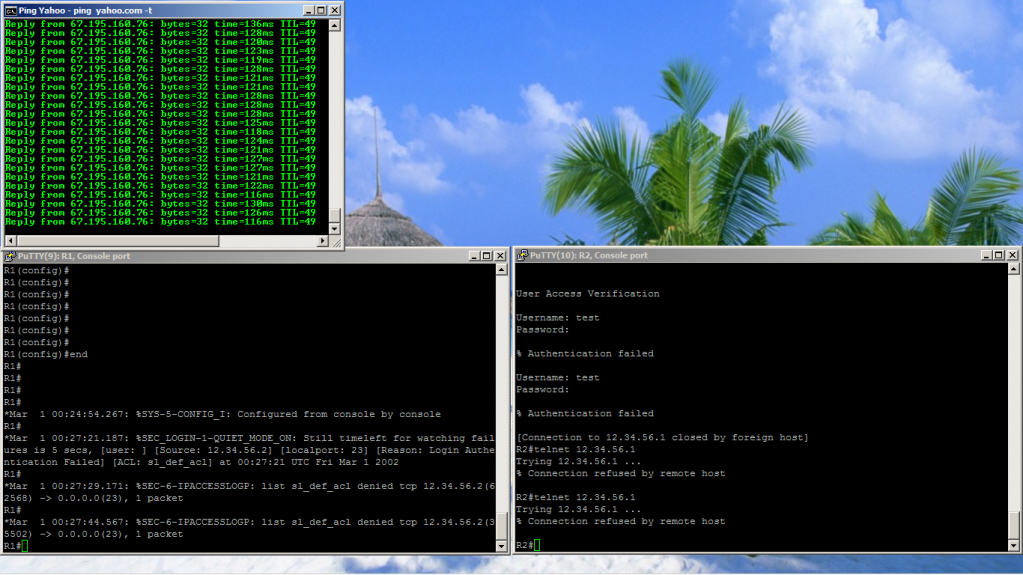
 Basic Security
-
12-01-2010, 03:35 PM #59C.I.A.
- Join Date
- Dec 2007
- Posts
- 2,694
CCNA 4 Class Lecture Videos
Last edited by coolnezz; 12-01-2010 at 04:14 PM. Reason: CCNA 4 Class Lecture Videos
-
12-01-2010, 03:42 PM #60C.I.A.
- Join Date
- Dec 2007
- Posts
- 2,694
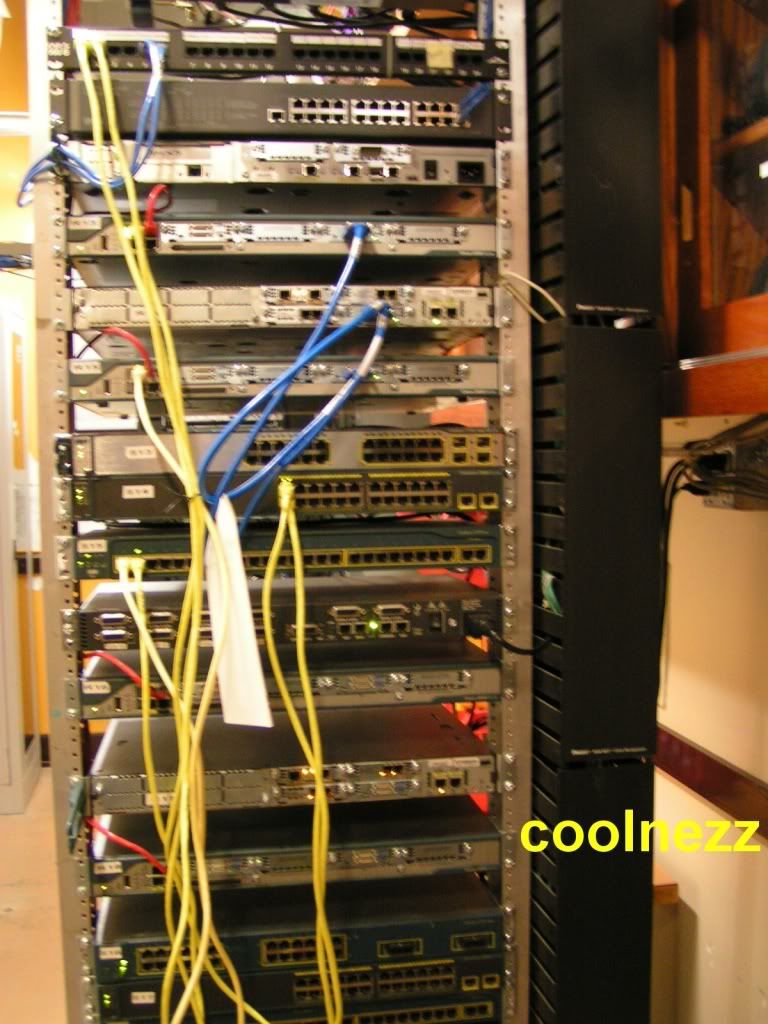
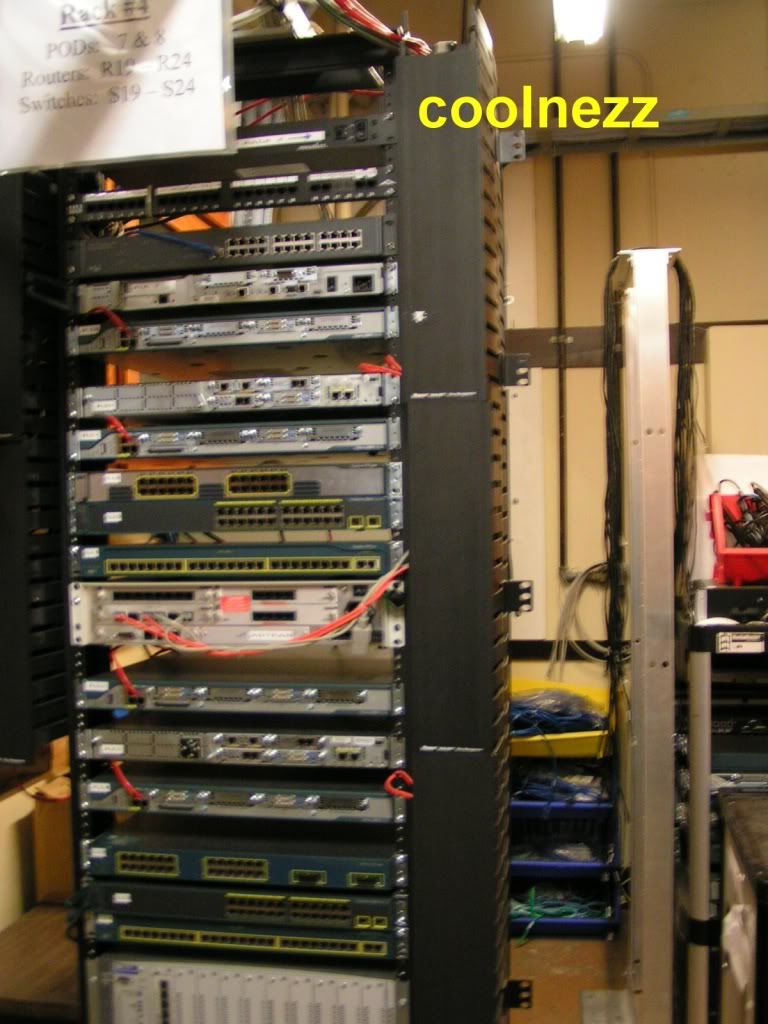
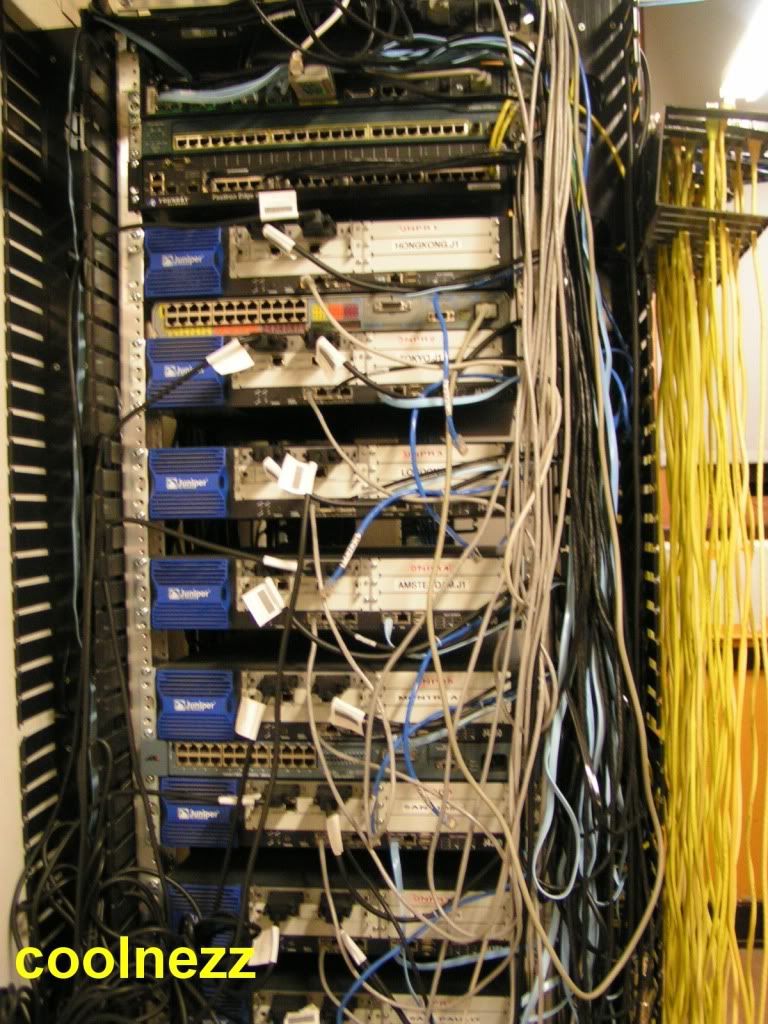
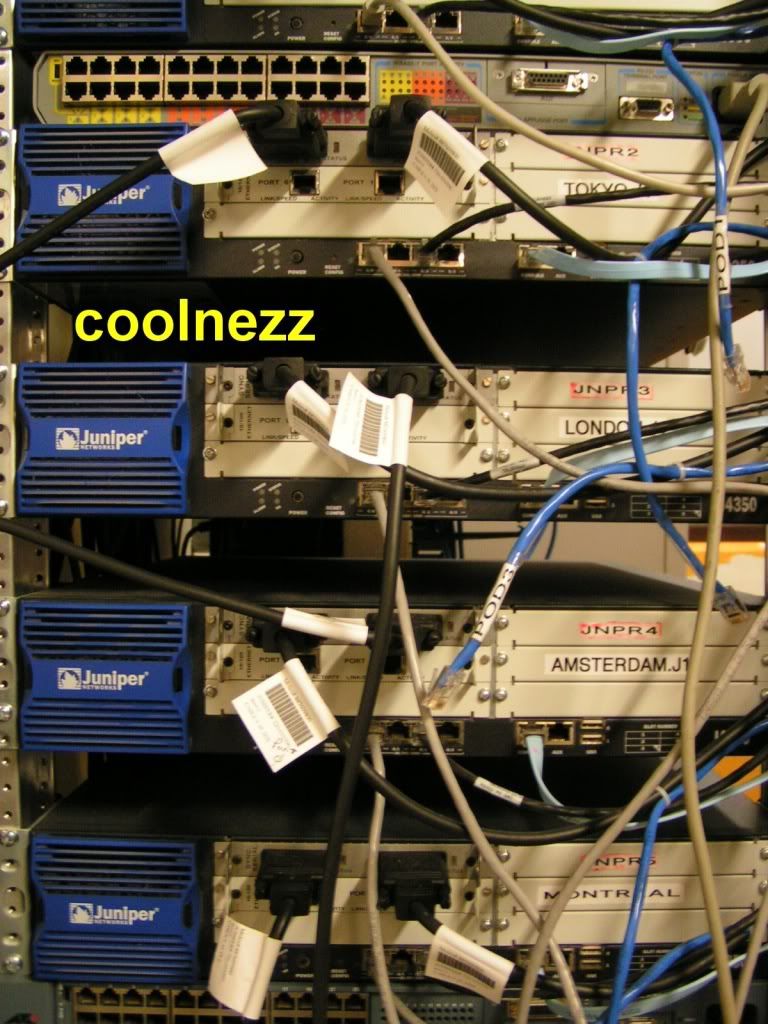
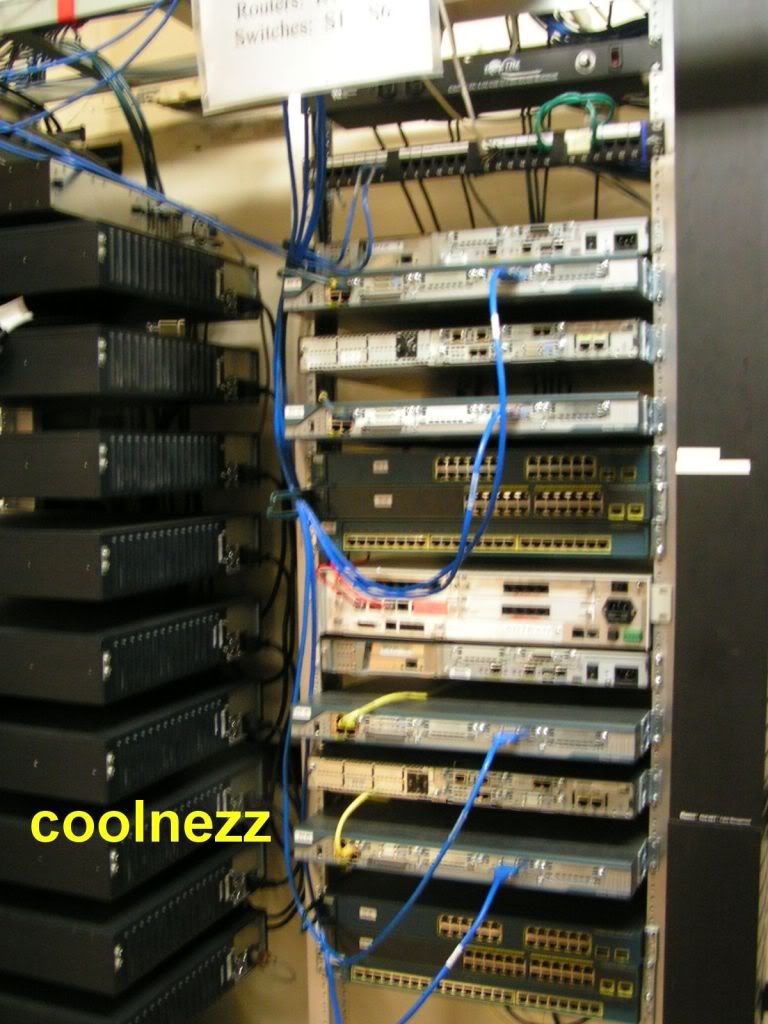
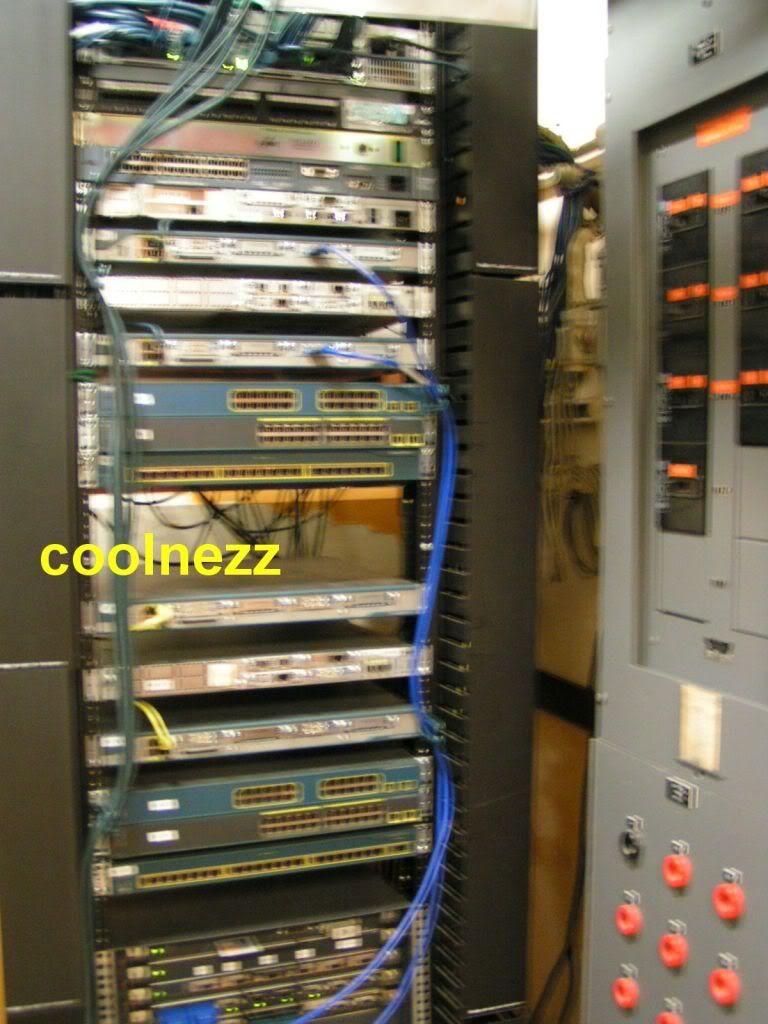
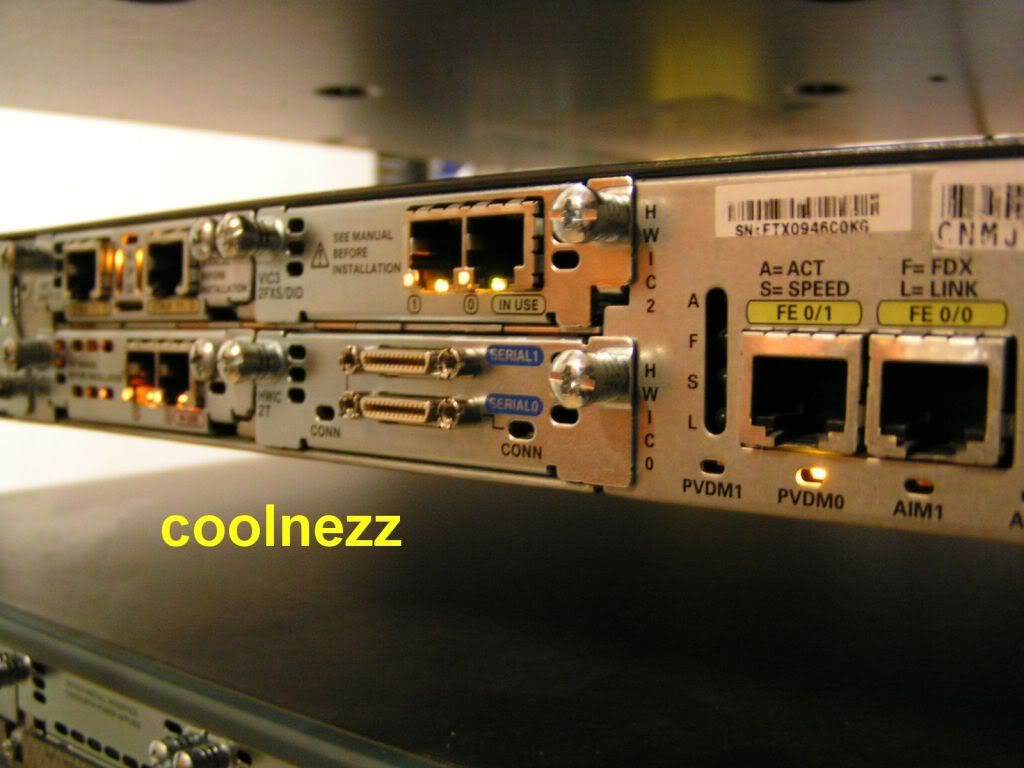
Cisco & Juniper - Class Lab #1

 Reply With Quote
Similar Threads |
|
 Posting Permissions


|