


23 Things Science Can Tell Us about Life, the Universe, and Everything
by Daniel D. Brown.
link:23 Things Science Can Tell Us about Life, the Universe, and Everything
Ever since the evolution of the sensory neuron, organisms have been using these amazing peepholes into existence to direct the course of their lives. Now, humankind has elevated the role of these senses, and even created technological extensions of them, in order to find order and true knowledge of this Universe in which we exist. We are all scientists looking at the world through our own tiny peepholes, attempting to find our place within it.
We have sought to understand what we are made of, what drives our constant fight against entropy, and what defines us as thinking, living entities. Who knows what the future may hold or what constraints will be placed on our knowledge, whether through considered intellect and experience or through societal and cultural pressures? For the purpose of this article, I am ignoring any social, cultural, or religious implications or constraints that may face the endeavors of science. I simply ask: what questions remain about ourselves and our reality that science may theoretically be able to answer in the future?
Some of these can naturally be considered sub-questions of others, while some may have sub-questions already included within them. As with most scientific knowledge, it is all interconnected. If you think of something that you feel should be added to this list, please leave a comment. I will gladly add it to this list if it is something even remotely answerable in theory. It can be in any field of science you wish.
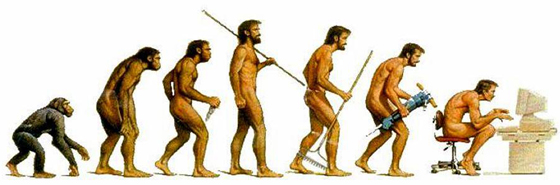
1. What exactly makes us different from our animal cousins?
With the completion of the human genome project, we now know that at the DNA level, we are 96-98% identical to our closest cousin, the chimpanzee. Scientists around the world are now scrambling to decipher what exactly in that DNA defines us as human and what separates us from the rest of our animal brethren. We have far yet to travel. It appears now that only about 1.5% of our genome encodes for proteins; the rest of it is often (and inappropriately) called "junk" DNA. We have deciphered the function of only a fraction of the protein-coding genes.
Furthermore, many of the differences between chimps and humans lie within this non-coding DNA. The coming years and decades will yield much knowledge as to exactly which genes have evolved in the hominin line, which regulatory regions within the non-coding sequences have changed, and which structures in the brain and other organs define our differences. We already have a sizeable list of genes that putatively separate us from apes. However, there is still much work to be done.
2. What is the nature of the mind? How do the emergent properties of consciousness arise from the underlying interactions of synapses and neural pathways in our brain?
This one is going to take a while. Eventually, however, we must assemble a complete working knowledge of all genes and all of their functions and interactions. We will combine our knowledge of molecular biology with our knowledge of cell biology. Over this synthesis, we will layer our understanding of neuroscience and cognitive psychology.
We must take into account the existence of memory, emotion, learning, sense perception, and every other integral process or function of the brain. The question is: will the underlying structures and functions of all microscopic and macroscopic aspects of the human brain allow us to predict and explain the emergence of consciousness? Only time and science may tell.
3. What is love, hate, and emotion?
Scientists have largely answered this question already, but as with most neuroscience, the details remain fuzzy. It is quite clear from decades of research that everything we feel, whether it be sensation or emotion, is mediated by the release of molecules, largely neuropeptides, between synapses in the brain.
Dopamine, serotonin, epinephrine, and a large cadre of other small molecules act as the signals between our brain cells. Our understanding is growing piecemeal, but as with the emergence of consciousness, soon we will hopefully be able to synthesize a complete model of emotion, including not only happiness, anger, sadness, joy, fear, and courage, but also spiritual experiences, amazement, and euphoria.
4. Who am I? What is the self?
This may be seen as more of a philosophical question than a question that science can answer, and there are obviously huge aspects of this question that are inherently untouchable by science. However, I think that if we can understand all aspects of neuroscience and cognition, and if it turns out that we can predict and explain the emergence of consciousness from the underlying levels of complexity, then a full understanding of what defines the "self" may be a natural outcome.
We will have a full synthesis of all aspects at all levels of the human brain, and it seems likely that we will then be able to define the "self" as a construct containing everything within the model. That is, you are the sum of all your parts, biochemistry, memories, senses, experiences, feelings, and the emergent properties themselves.
5. Can artificial intelligence have consciousness?
No doubt, this question may be answered sooner than we think. The field of artificial intelligence is ever expanding, and as the complexity of our computing systems and programming grow, so too may that complexity lead to emergent properties that we may define as consciousness.
A better question is perhaps: how long will it be before a computer or robot passes the Turing test (a conversation in which the human cannot tell whether he or she is talking to a human or a machine)?
6. Can a single human consciousness be replicated or simulated by computer or another organic form?
This is almost the same question as number five, though it has a slightly different focus. This question could be reworded: if we can understand all aspects of consciousness and "self", and if we have the computing power or organic synthesis power, could we theoretically "download" a human consciousness into another brain or into a computer. It's the classic sci-fi dream.
Who knows whether this is even theoretically possible? It would certainly take an almost unfathomable level of complexity of circuitry. In all likelihood, any specific consciousness or self would be too defined by the molecular and perhaps even quantum properties of its own constituent parts.
I cannot really conceive of humanity becoming so adept at manipulating the physical world that we can completely mimic every neuronal connection and interaction in the brain. But then again, this very thought may be considered small-minded several generations from now. There are also the philosophical issues of whether the "self" would truly be transferred. Nonetheless, I think this is a mind boggling question that may just be answered by science. Who wouldn't want to be made virtually immortal?
7. What is the nature of memory? How is it stored in the brain?
Here's what we know: certain structures such as the hippocampus and amygdala are integrally involved in memory. In addition, much research is going on at this very moment in an attempt to define the method by which memories are encoded. Current results have shown that memories are likely encoded by the formation and connections of specific synapses (neural connections).
There are an estimated 60 trillion (that's 60 million million) synaptic connections in the brain. Hopefully, we will soon understand exactly how information of our perceived reality is stored in these connections. Just as importantly, we hope to discover how this information is retrieved and processed, parsed, and associated with other memories and senses. Why are smells so often vividly linked with memory?
8. How did life evolve?
Although this is a question we will never be able to definitively answer (unless Number 18 becomes possible), I think we will one day be able to demonstrate practical ways in which life can evolve from non-life. In 1953, Miller and Urey demonstrated the formation of essential amino acids by simply electrocuting boiled methane, ammonia, hydrogen, and water — compounds believed to be abundant on the early Earth. Since then, many researchers have uncovered many specific conditions that can result in the formation of compounds necessary for life as we know it, including the formation of nucleic acids.
It is very conceivable that in the near future, scientists may demonstrate the formation of self-assembling, replicating molecules in such an experiment. Perhaps they will then show how these replicating molecules can acquire membranes, like the phospholipid bilayers of our own cells (which are already known to be self-assembling). A wide variety of theories exist concerning the abiotic origins of life, too many to debate here, and I think that we may in our own lifetimes find practical methods that our own molecular ancestors might have used to become life.
Results 1 to 10 of 14
-
02-14-2011, 01:21 PM #1C.I.A.


- Join Date
- Jun 2009
- Posts
- 2,887
 23 Things Science Can Tell Us about Life, the Universe, and Everything
-
02-14-2011, 01:22 PM #2C.I.A.
- Join Date
- Jun 2009
- Posts
- 2,887
9. What is the exact evolutionary lineage of all life on Earth?
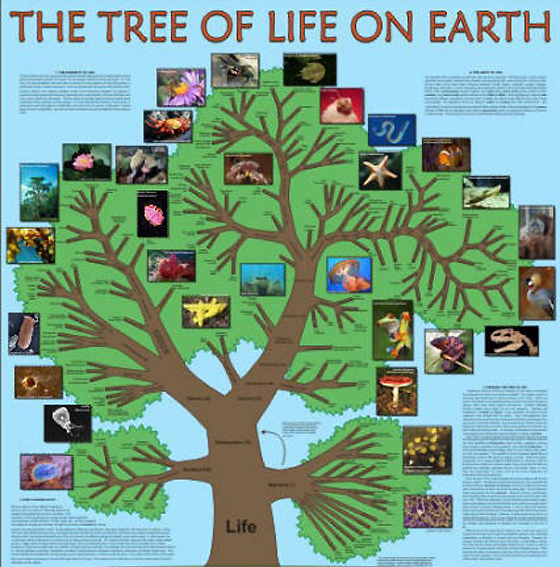
As above, historical events are by definition inherently unknowable, from a definitive standpoint. However, as the fossil record continues to accumulate, and more importantly, as more and more genomes are sequenced, we will be able to compare the specific DNA codes of all life on Earth (or as much as we want) to calculate the ultimate Tree of Life on Earth.
There will always be holes, and specific areas of fuzziness in the data. Many organisms have been show to transfer genetic material between species, largely due to things like retroviruses and bacteria, which can muddy our understanding of specific lineages. Nonetheless, we will eventually construct a tree of evolution that comes close to outlining the entire history of natural selection on Earth.
10. Can we engineer our own evolution?
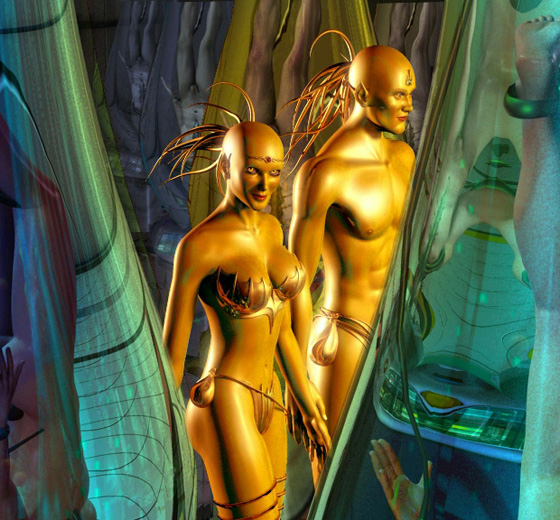
The trajectory of current molecular and developmental biology places us squarely in line to eventually understand the contributions of all genes within human development and physiology. We are already at the point where embryos can be screened for genetic defects, such as Trisomy 21 (Down Syndrome), before being implanted into a woman's uterus.
Our tools for genetic manipulation are improving, though we are still far from using gene therapy as a routine treatment. It seems likely that we will one day be faced with the opportunity to engineer our own evolution. The current state of civilization seems to suggest that at least a macro level, humans are not experiencing selective pressure to evolve, other than negative selection against disease (see my article on human evolution).
However, we may one day be able to direct the course of our own evolution. We would need the currently unimaginable computing power necessary to simulate potential genetic changes, and superb genetic tools. Perhaps with enough knowledge of developmental biology, physiology, anatomy, and with the necessary computing power and tools, we could make our species happier, adapted to undersea life, more intelligent, free of disorder and disease, or any number of things we can imagine for our species.
Of course, there are enough moral and societal issues with this possibility to fill a Wikipedia. Then again, who knows what kind of world humans will live in many generations from now.
11. What are the costs and benefits to specific changes in the brain?

An interesting issue has been brought up by the fields of clinical psychology and cognitive psychology, and it is the issue of the cost/benefit of deficits or enhancements in the brain. Many have speculated that a growing list of artists, geniuses, and creative thinkers from our history have been autistic, or at least have had personalities in the autistic spectrum.
In addition, creativity has been positively linked with bipolar disorder (formerly known as manic depression). The study of neuroscience and neuropsychology will likely discover some interesting links between gaining certain abilities or traits, while displaying deficits of others. We have all heard of the rare "savants". If we do get to the point of self-directed evolution or even personal enhancement with drugs, it may be interesting to define the interplay between these different traits in the human psyche.
12. How does a single cell turn itself into a thinking, breathing organism?
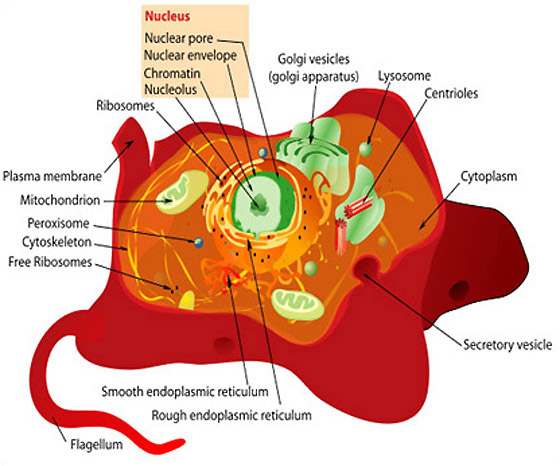
How does a fertilized egg regulate its own genes and control the timing and three dimensional growth of cells to form tissues and organs? The field of developmental biology is currently in an explosion of data. What at first seemed only insanely complex, now seems near-infinitely more so with the discovery of the roles of things such as microRNAs, epigenetics, and maternal contribution on development, on top of the role of protein-coding genes.
It seems like it will take centuries for us to parse out the different factors, interactors, and processes involved in the construction of an organism. However, time is something we're not concerned with here. Assuming all remains right with the world, science will almost definitely explain exactly how a sperm and an egg can come together to create someone like you.
13. Is there a maximum human life span?
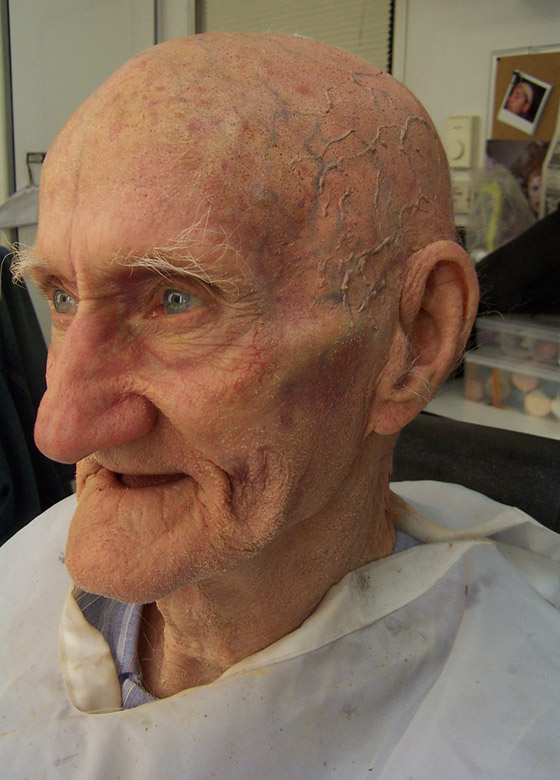
The human body did not evolve to be particularly long-lived. As we age, our somatic telomeres shorten (which degrades genes at the end of a chromosome). We accumulate mutations, oxidative damage, and cellular debris, and we develop diseases. How many of these things can we overcome?
As of this moment, there is only one proven method of extending life spans in mammals: caloric restriction. Eat less, live longer — at least on a population level. It remains to be seen how long we can extend the human life. Even if we can extend it further, we will have to address issues of quality of life as well. Nevertheless, I have much optimism that science could extend the human life dramatically, given the time and knowledge.
14. Can we save our planet?
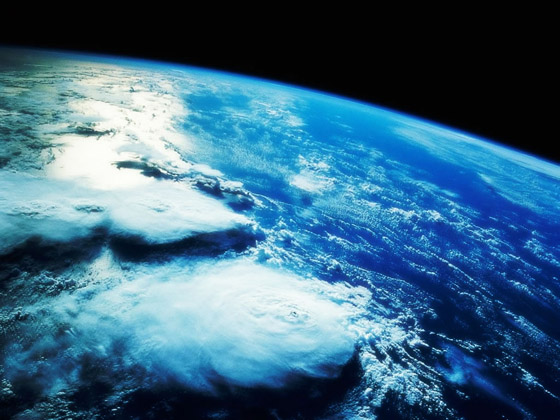
How much power can we wield over mother earth? Will we learn to alter climate? Will we learn to utilize renewable energy? Can we cure hunger? To me, it seems that we may always remain as ants when compared to the larger forces of this planet. I cannot foresee large scale engineered climate change and weather control. Then again, who could have conceived of gene therapy two hundred years ago? I think that science has already provided at least rudimentary answers to both renewable energy and hunger. The main issues with these seem now to be cultural and economic, which I don't want to get into here.
Bioengineering is almost assured to produce a new revolution in energy production. I predict that we will soon have microbes producing ethanol or other hydrocarbon fuels from cellulosic material. We already have solar technology. And bioengineering is also in the beginning stages of creating more nutritious foods that are easier to grow. These will have negative effects and issues of their own (such as the loss of biodiversity and increased susceptibility to sudden disease), but these are issues that I believe we can overcome.
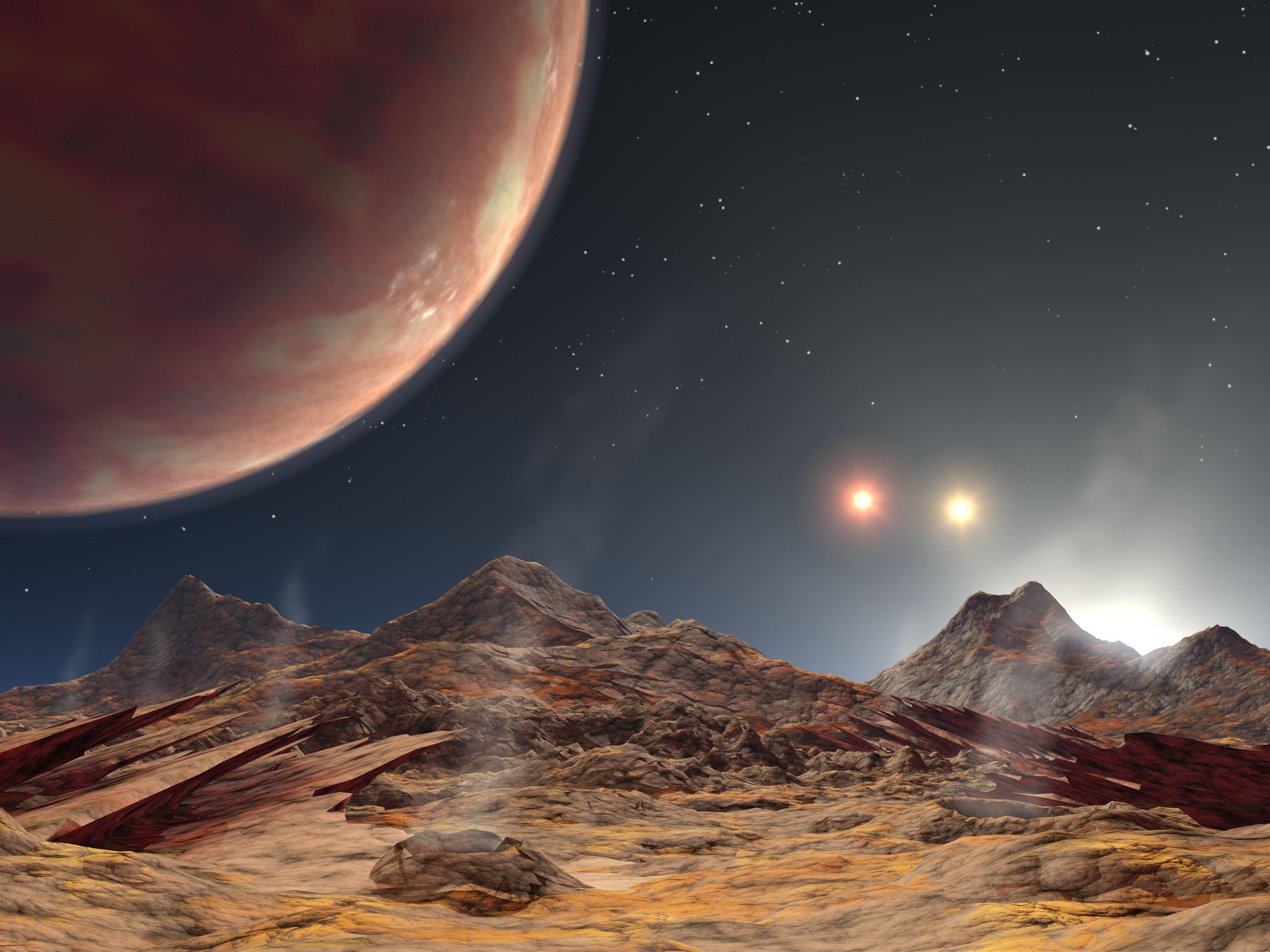
15. Can humans survive on other planets?
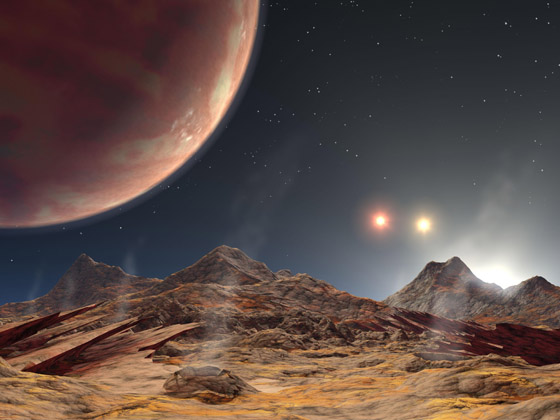
Scientists have already discovered over 300 extrasolar planets (planets around other stars). Right now, our technology is limited to inferring planets by the wobble their gravity induces on nearby bodies, so most of the discovered planets are enormous Jupiter-like planets.
However, mounting evidence suggests that earth-like planets orbiting "habitable" zones, which are areas of proper temperature ranges, may be much more common than initially suggested. Thus, I think it's easily conceivable that with new detection technologies, we may discover watery earth-like worlds in our own lifetime, or our children's. Now can we get there?
16. Is interstellar travel possible?

This would obviously take a revolution in the world of physics. Light seems to be the limit right now. The closest star to Earth is Proxima Centauri at 4.2 light years distant. However, our current technology cannot even hit 0.004% the speed of light. Perhaps we will one day be able to accomplish a more sizeable proportion of the speed of light and reach the nearest star within a lifetime (10 years at about 50% c), though the energy required for such speeds boggles the mind.
Science fiction writers and theoretical physicists are always theorizing that there may be loopholes in the way reality actually works. Perhaps we can figure out a way to circumscribe the peed of light conundrum (a wormhole anyone?) Only science will tell.
-
02-14-2011, 01:23 PM #3C.I.A.
- Join Date
- Jun 2009
- Posts
- 2,887
17. Are we alone in the Universe?

Aliens are courtesy of The Jim Henson Company.
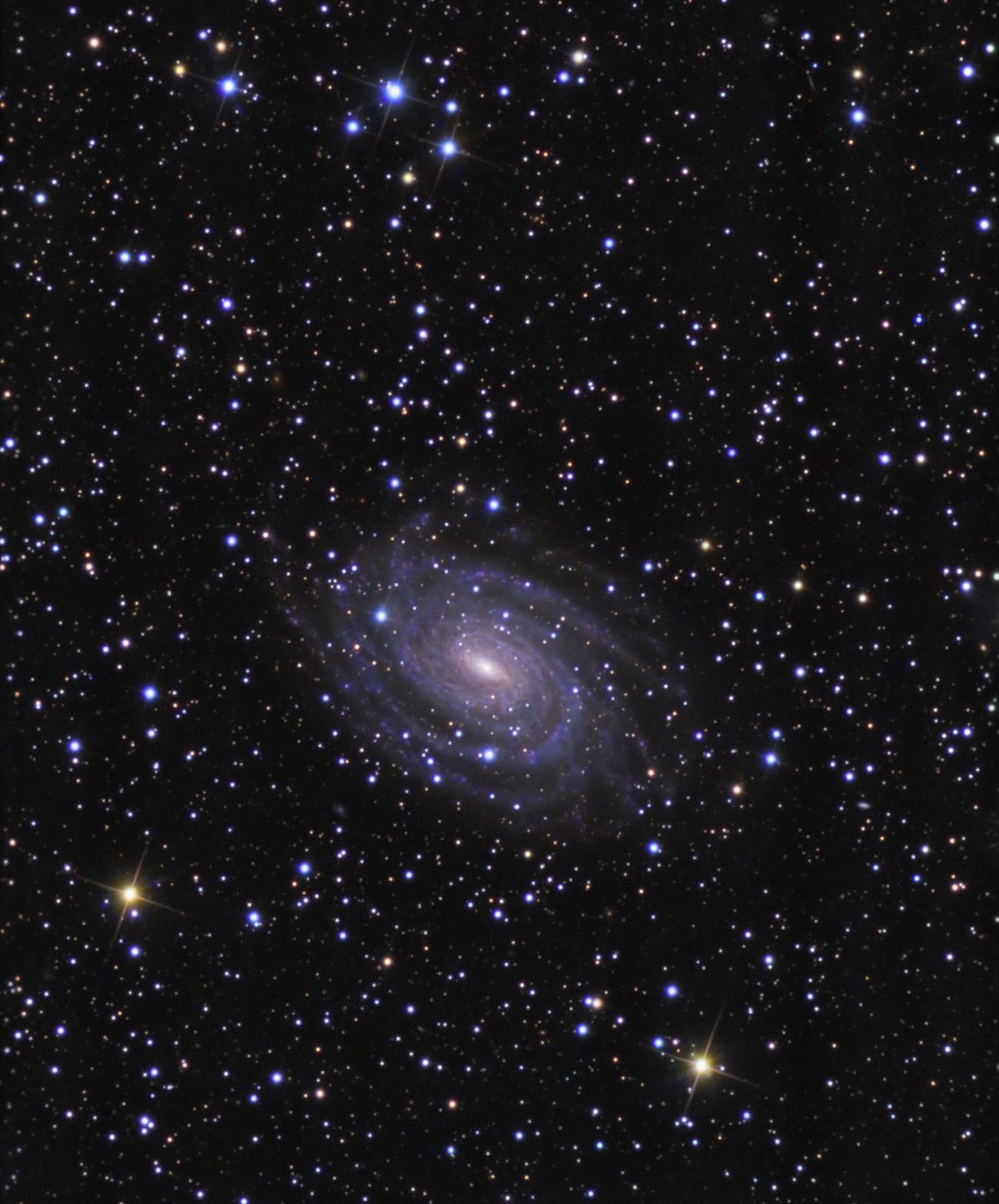
Will SETI (Search for Extra-Terrestrial Life) one day finally receive that long awaited telephone call? Will the Phoenix lander discover microbes beneath its microscope (albeit very tiny ones)? Will future craft find beings inhabiting the oceans of Europa that make whales look like shrimp? Our own galaxy contains roughly 100 billion (yes — 100 thousand million) stars. In addition, there are about 100 billion galaxies in our observable Universe. That's 10,000,000,000,000,000,000,000 stars (assuming our galaxy is average).
Considering the frequency with which we are discovering new planets, it seems more than possible that many planets are habitable and may harbor life. The question boils down to the likelihood of life making that first step from non-life, which is a complete unknown. But it is a question sure to be at the forefront of human thought and scientific curiosity. Perhaps we are already being visited. Scientific evidence is lacking, but it doesn't seem so unlikely to be impossible. See the Drake Equation to play with more astronomical numbers on alien life.
18. Is the Universe inherently deterministic or is there "true randomness" in nature?
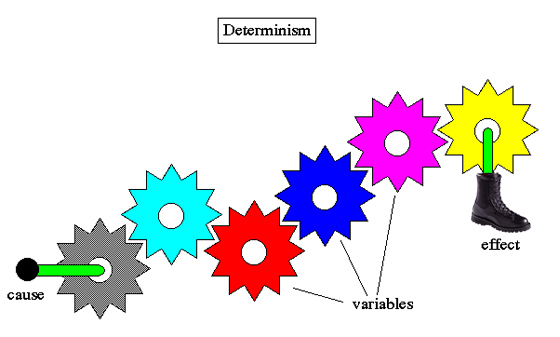
Do steadfast laws underlie quantum physics? At the macro level, all physics seems deterministic; i.e. every action is causally linked and predictable in theory based on the events preceding it. Current quantum theory seems to indicate an inherent randomness in the behavior of quantum particles. Some claim that this is due to an incomplete understanding of nature — that there are hidden variables and even at the quantum level, causality holds true.
The question remains: is there "true randomness" inherent in nature at the subatomic levels? I have read that most physicists currently lean toward true randomness. If there is no "true randomness", then every event in existence was determined by those before it, thus eliminating the possibility of free will. However, if there is randomness, this at least leaves open the possibility of true free will.
Obviously, we are edging into philosophy here — and a topic which we could debate for years, no less. Nonetheless, if physicists can reconcile quantum physics with Newtonian physics and relativity, and all the other weird quantum stuff I am light years from understanding, perhaps they may answer the question of the nature of the existence.
19. What is the maximum carrying capacity of the Earth? Will we enact global population control measures?
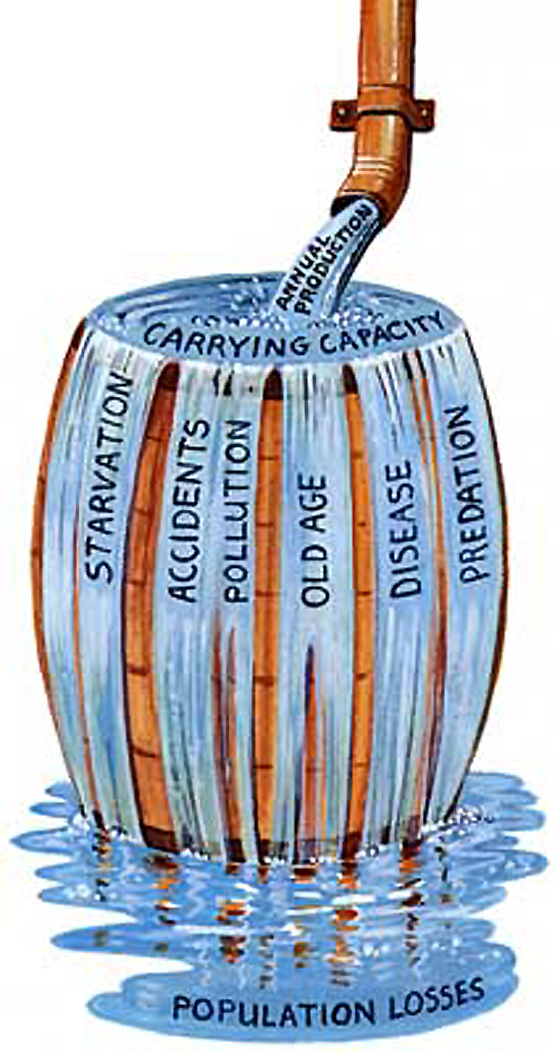
Just how many people can live on the Earth? Some would argue that we have already surpassed the carrying capacity, while others believe we have a ways to go.
Given current birth rates and ever-expanding life spans, it seems inevitable that we will be forced to enact population controls on a world scale. It is science that will have to tell us exactly what our resources can handle. No doubt, technology can increase our carrying capacity, if utilized properly.
20. What is the ultimate fate of our Universe?
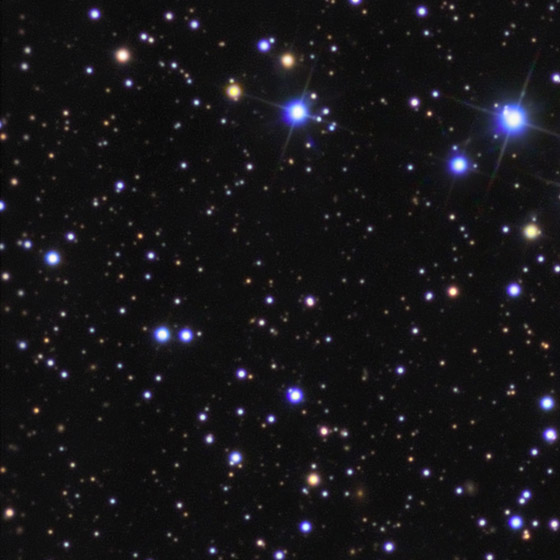
Will our observable Universe eventually cease in a frozen motionless entropic heat death? Or will the dark matter and energy pull all matter back into the singularity from which we exploded (The Big Crunch or Gnab Gib)?
This is still a hotly debated topic. We lack much crucial data. However, current measurements indicate that the Universal expansion is accelerating and not decreasing in its rate of expansion. How much dark matter is actually out there? And...
21. What is dark energy and dark matter, anyway?
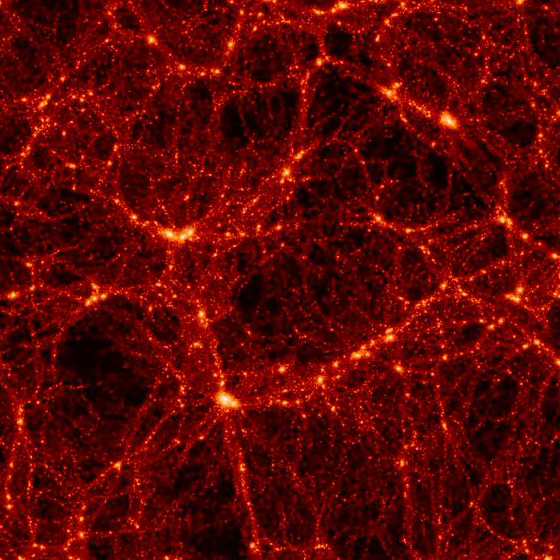
The distribution of dark matter obtained from a large numerical simulation. Note how the dark matter is clustered into dark matter halos, which are connected by a large filamentary network.
I don't have much to say about dark matter or dark energy, and I'm not sure that physicists have much more. Actually I'm sure that they do — I am probably just avoiding them.
Something seems to be out there, swirling within galaxies, holding them together, and pulling groups of galaxies into clusters and superclusters. We have inferred its existence from its effect on other mass. More than that I cannot tell you. I hope that science will tell us much much more in the coming years.
22. Is time travel possible?
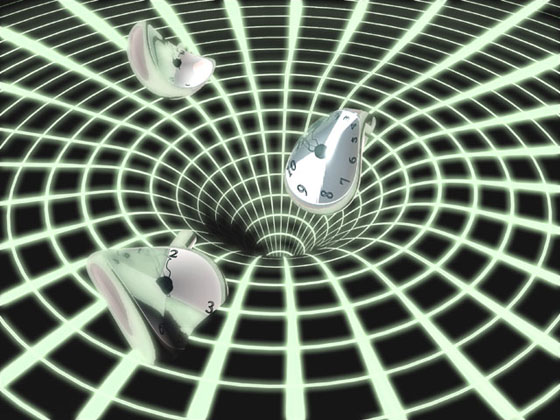
Yes. Forward at one second per second. I jest. Again, theoretical physicists have come up with scenarios in which some form of time travel might be possible. They all seem baffling to me.
I had high hopes for the Time Traveler Convention of 2005, but unfortunately it seems that humans will not eventually discover time travel, or that when they did, they will have never heard of the Convention and so failed to show up.
23. What is the true nature of existence? Parallel Universes, multiple dimensions, strings?

Superstrings may exist in 11 dimensions at once.
Physicists — I leave this one to you. I have tried on many occasions to wrap at least a few brain cells around string theory (may those neurons rest in peace). If science ever comes to grips with the nature of our physical reality and devises the Grand Unified Theory of everything, I sure hope the math can be translated into more conceptual terms.
If it turns out that we live in only one (or four) of 13 dimensions or some other such craziness, we prove it, and I still cannot understand it, it will be a sad and anticlimactic day.
Well, those are the best questions I have to offer. Again, please feel free to leave your own two cents. I am sure there are worlds of interesting and important scientific questions left to be answered.
-
02-15-2011, 01:59 PM #4
nice one cromagnon...! thanks sa pag post.. will read all later after work.
-
02-15-2011, 08:08 PM #5C.I.A.

- Join Date
- Nov 2009
- Posts
- 2,047
Wow! Nice da.. Paghoman nakog basa cge lang kog ask ug "Nganu kaha....." daghan na no.on keu kog "why". haha..
-
02-15-2011, 09:34 PM #6Junior Member
- Join Date
- Dec 2010
- Posts
- 56
nice... mind boggling...
-
09-22-2011, 03:37 AM #7Junior Member

- Join Date
- Jun 2011
- Posts
- 333
Re: 23 Things Science Can Tell Us about Life, the Universe, and Everything
were did you get all of this guys?
-
09-22-2011, 03:56 AM #8Elite Member

- Join Date
- Feb 2010
- Posts
- 1,199
Re: 23 Things Science Can Tell Us about Life, the Universe, and Everything
Ngiga gud ani nga questions.
-
09-22-2011, 05:32 AM #9Senior Member

- Join Date
- Aug 2011
- Posts
- 785
Re: 23 Things Science Can Tell Us about Life, the Universe, and Everything
Dugay na ni nag dagan sa akong mind since bata pa ko. Up until now wala pa ma answer ako mga questions hehehe

-
09-22-2011, 06:46 AM #10Junior Member

- Join Date
- Apr 2009
- Posts
- 376
Re: 23 Things Science Can Tell Us about Life, the Universe, and Everything
Brief but informative! Good read!!!!!!!!





 Reply With Quote







Similar Threads |
|
 Posting Permissions


|