


ahahaha! good morning!Originally Posted by SilverMist

Results 15,131 to 15,140 of 34817
Thread: Aquatic Cebu Enthusiasts (ACE)
-
02-08-2010, 10:17 AM #15131C.I.A.

- Join Date
- May 2008
- Posts
- 2,052

-
02-08-2010, 10:17 AM #15132C.I.A.

- Join Date
- May 2008
- Posts
- 2,055
lisud kaayon picturan ang shrimp.. maayo kaayo motago. nya kung mogawas kdyt ra kaayo.. molihay ug paparazi... hehehehe bt nag cge ko huwat2 na mogawas ang shrmp para ma post nko.. Originally Posted by smalltime Guppy
-
02-08-2010, 10:19 AM #15133C.I.A.
- Join Date
- May 2008
- Posts
- 2,055
- matunok diay ang robot..?? wahahahahaha good luck sa semi reset opt.. sorry dghn ko lakton gd krn... Originally Posted by 0ptimusPrim3
-
02-08-2010, 10:21 AM #15134C.I.A.
- Join Date
- May 2008
- Posts
- 2,055
welcome sa ACE bai... Originally Posted by madredrive
-
02-08-2010, 10:26 AM #15135C.I.A.
- Join Date
- May 2008
- Posts
- 2,052
hehehee! good luck sa RCS! Originally Posted by marknicho
-
02-08-2010, 10:39 AM #15136Elite Member
- Join Date
- Jun 2007
- Posts
- 1,997
 d' MEDICS iTsELF nEEd's HELP... hEhEhE...
mAo zd UnTA nAh AkOnG COMMENT... nA.TunOk di kAh... hEhEhE... Originally Posted by marknicho
d' MEDICS iTsELF nEEd's HELP... hEhEhE...
mAo zd UnTA nAh AkOnG COMMENT... nA.TunOk di kAh... hEhEhE... Originally Posted by marknicho
bY d' wAy'Z.. pAsEnsyA pErsEphOnE... i wAsn'T dr 4 d' RESCUE pAg.TunOk nEmU kAy mAs grAbE mAn AkOnG TUNOK gd... Ta.Up jd dn dUgAy nA.kUhA... NgUL2x pAh jd gAnE hAng2d kArOn... hOpE d'Li nEh mA.INFECTED... hEhEhE...
-
02-08-2010, 10:40 AM #15137
hehehe.. lageh.. gimingaw napud kos mga istorya peeps.. wala naman gud e.b. e.b. dinhi.. pero ok pud to na laag.. something new.. lisoda pangita army ants oi... wala jud ko kitag stall or shop diri cebu dah.. Originally Posted by dingo spike
thanks marknico.. nag kaila man me markykoi tungod sa e.b. e.b. sauna.. few years back.. Originally Posted by marknicho
-
02-08-2010, 10:54 AM #15138Senior Member

- Join Date
- Dec 2009
- Posts
- 617
hala! karon pa ko nka remember. murag nabilin sa jeep ang katong ge hatag na mga plants ni markykoi.
-
02-08-2010, 11:02 AM #15139C.I.A.
- Join Date
- May 2008
- Posts
- 2,055
cge lng.. para mag planted napd to ang driver!hehehehehe Originally Posted by SilverMist
@STG: pm sent dudes...
-
02-08-2010, 11:10 AM #15140Senior Member

- Join Date
- May 2008
- Posts
- 998
@all ACERS
Thanks to all those who participated the 14th ACE nature Trek. I apologize for my inactivity on our furom due to my sickness and work. I guess hangin arround with the ACERS have somehow revived me a bit.
Below are the correct details of all the fauna that we have obtained and spotted during the trek. I apologize if I have mentioned a lot of names during the trek, It's just a bit hard to identify them on the spot, especially the rare ones.
FAUNA #1 (NATIVE)
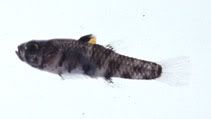
COMMON NAME:
None
SCIENTIFIC NAME:
Pandaka trimaculata
LOCAL NAME:
Bia
DIET:
Feeds on tiny aquatic organisms
DISTRIBUTION:
Japan, Philippines, Indonesia and New Guinea.
NOTES:
A close relative to the Pandaka pygmaea (Dwarf pygmy goby) a fish that was once incorrectly declared to be the smallest fish and endemic to the Philippines. The fish aint the smallest and is not endemic to the Philippines as a matter of fact, the pygmaea species is extinct in the Philippines and can now be found in Indonesea.
FAUNA #2 (NATIVE)
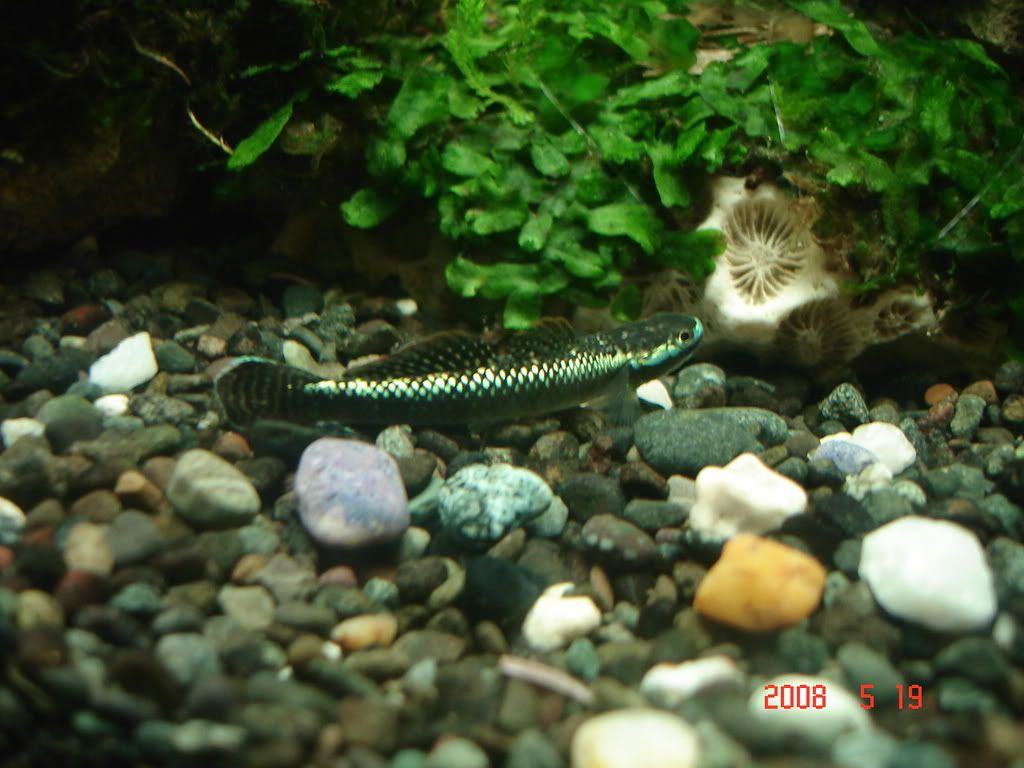
COMMON NAME:
Electric Blue Goby
SCIENTIFIC NAME:
Stiphodon atropurpureus
LOCAL NAME:
None
DIET:
Primarily an Algae eating goby. May eat tiny organisms like daphnia.
DISTRIBUTION:
Japan, Taiwan, Malaysia, Philippines and the mainland of South China.
NOTES:
Sold in Manalili long before we discovered them in our trek to Bonbon. This goby species is one of the most commonly seen in most of the ACE river treks.
FAUNA #3 (NATIVE)
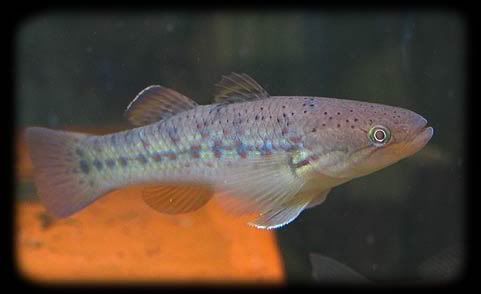
COMMON NAME:
Unknown
SCIENTIFIC NAME:
Ophieleotris sp
LOCAL NAME:
Palawan, Bakulihan, Bangayngay, Buguwan, Buwagan, Dalagan, Dalak, Ipon, Labanag, Paluwon, Papalo, Simawar
DIET:
Predatory but can be trained to eat standard fish foods.
DISTRIBUTION:
Madagascar, Northern Australia, Philippines and Palau.
NOTES:
We weren't so lucky to catch even one during the trek , but I have purchased this species in Manalili and I current have a few at home.
FAUNA #4 (INTRODUCED)
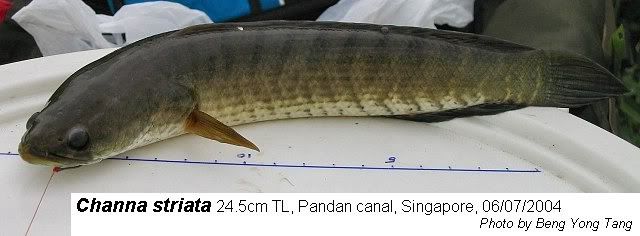
COMMON NAME:
Chevron Snakehead, Striped Snakehead, Banded Snakehead and Common Snakehead
SCIENTIFIC NAME:
Channa striata
LOCAL NAME:
Anak dalag, Aluan, Amanu, Bakuli, Bulig, Bundaki, Bundalag, Dalag, Dalak, Guelue-guelue, Haluan, Haroan, Lawag, Mudfish, Murrel, Obog, Sulbud, Talosog, Terebog, Torabó, Utan
DIET: Predatory
DISTRIBUTION:
Considered to be the highly introduced Snakehead species not just in Asia but also in the American continent. I didn't bother list the countries cause there's too many.
NOTES:
This fish is less attractive to the Aquarium trade due to it's size, behaviour and color. It ends up in the menu of most Asian restaurants.
FAUNA #5 (INTRODUCED)
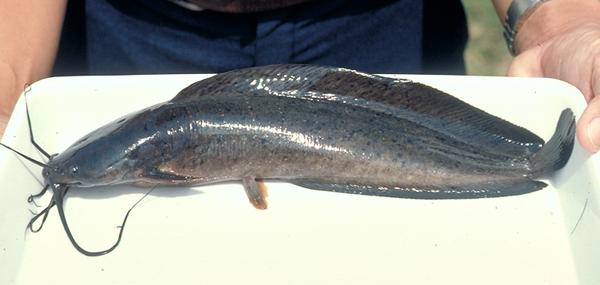
COMMON NAME:
Asian Walking Catfish or Thai Catfish
SCIENTIFIC NAME:
Clarias batrachus
LOCAL NAME:
Pantat
DIET:
This fish will eat insects, worms and anything that's edible.
DISTRIBUTION:
Native to Bangladesh, Cambodia, India, Indonesia, Laos, Malaysia, Myanmar, Nepal, Pakistan, Singapore, Sri Lanka, Viet nam and Thailand.
NOTES:
This Catfish species is one of those that can breathe athmospheric air and is a survival artist
that can survive prolonged exposure to dried up rivers and lakes. This species is now being
hybredized by aquaculturist to it's african relative the African Walking Catfish (Clarias gariepinus)
as a result, this species is considered rare to it's original habitat.
Other Introduced species are Tilapias and Wild Guppies.


 Reply With Quote
Similar Threads |
|



|