


UPDATE!
Pardon to all Intel/NVDIA fanbois, guess I spoke too soon and moved too fast
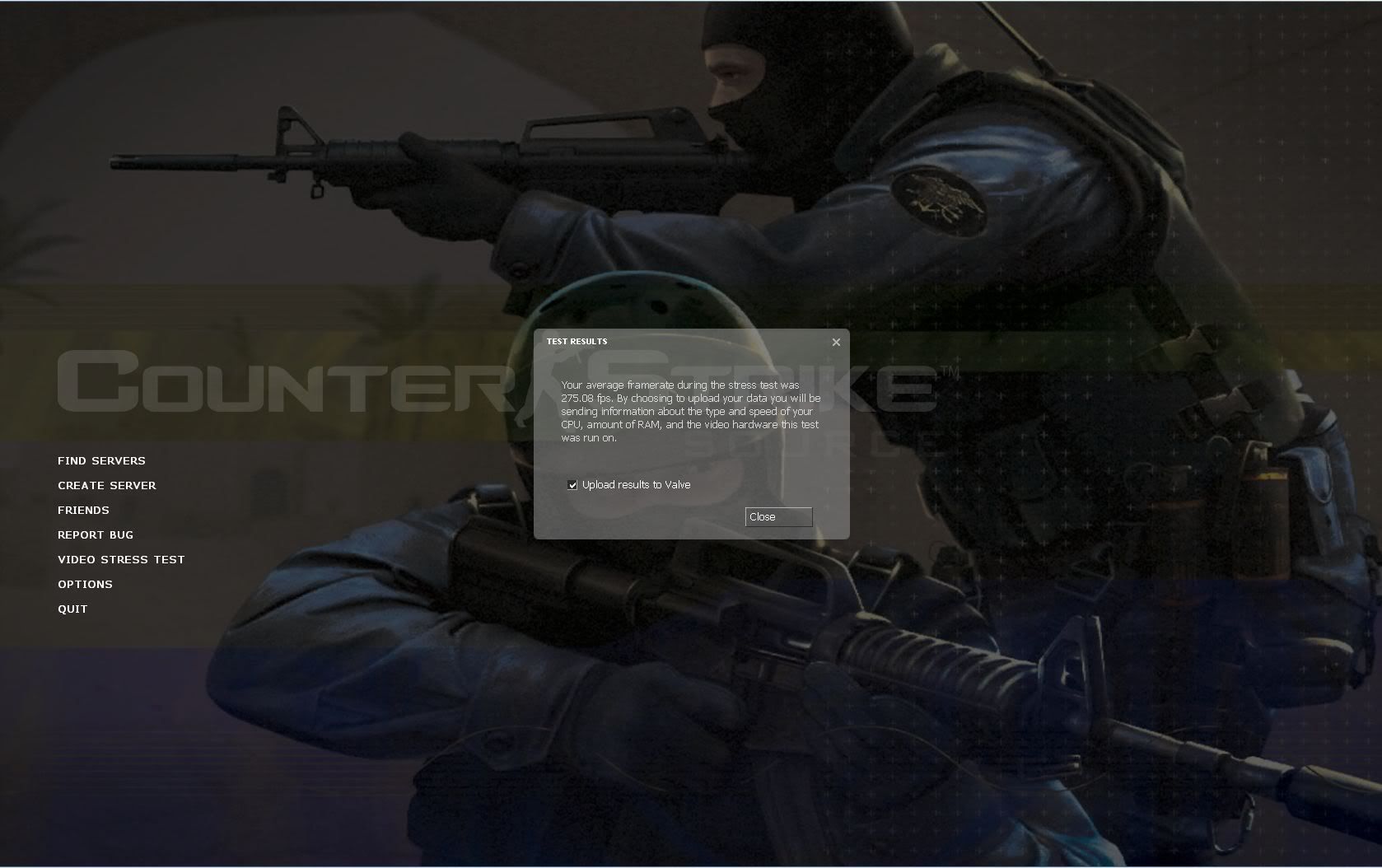
Was able to make a huge improvement on the system1 score to 274 fps and this is what I did:
1. Remove the 2nd GTX 295
2. Enabled Vsync because disabling it caused instabilty during the video stress testing
Lesson learned: Not all games can take fully advantage of multi-gpu set up and will actually hurt performance enabling it. It's a bummer since I need to test all the games that my kids are playing and see which one is suitable for multi gpu and which one is not.
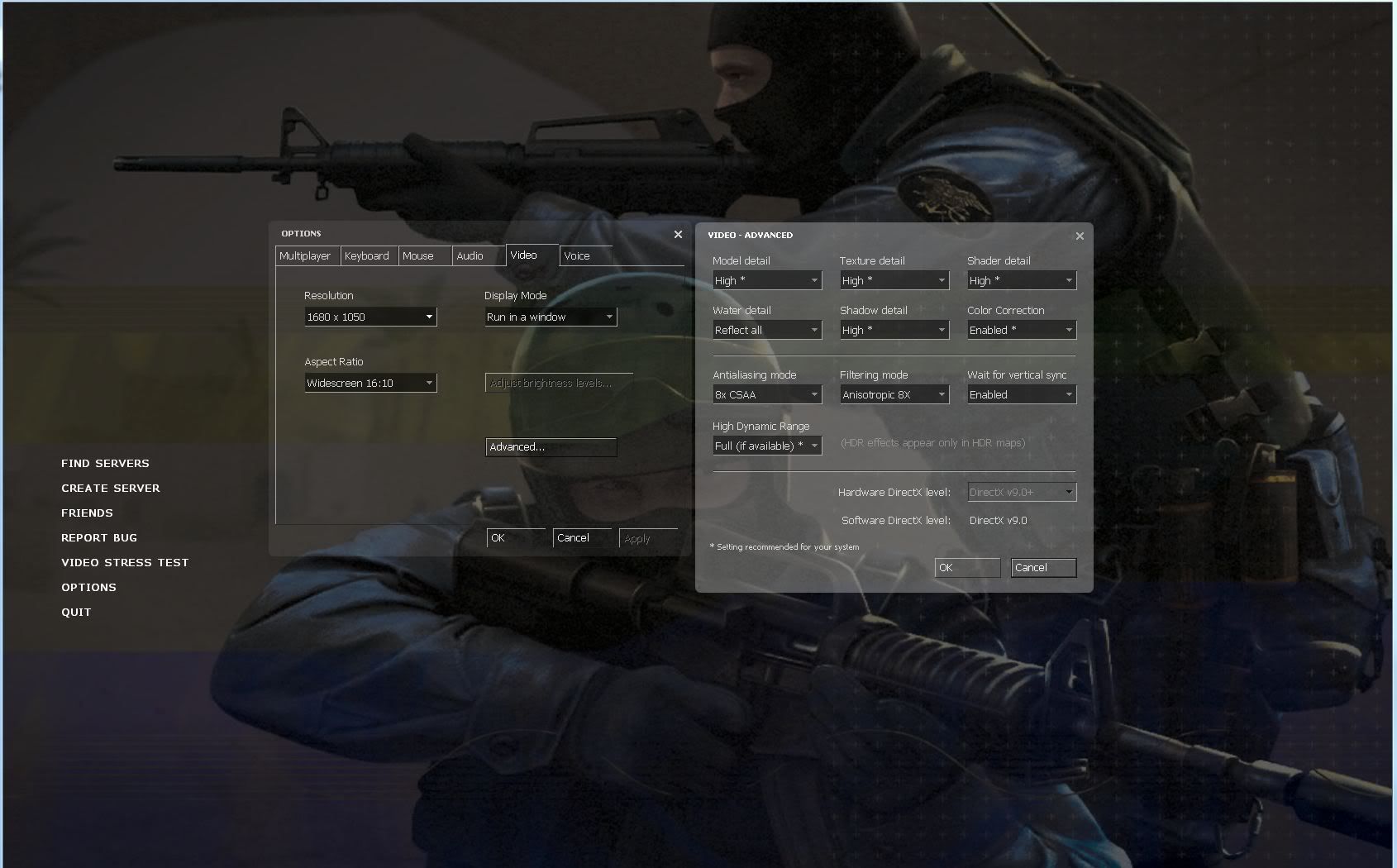
here's the re run on the i7 system with single GTX 295 and vsync enabled
Settings:
Spoiler!
Score:
Spoiler!
Results 31 to 40 of 58
-
09-03-2009, 01:47 PM #31Elite Member


- Join Date
- Nov 2006
- Posts
- 1,584

-
09-03-2009, 03:09 PM #32C.I.A.

- Join Date
- Jun 2007
- Posts
- 3,887
hahaha yeah it depends diay sa game if maka take advantage ba siya sa multi gpu set up
way to go master CE nice one
-
09-03-2009, 03:17 PM #33C.I.A.

- Join Date
- Oct 2004
- Posts
- 2,339
depende ra sa game jd :P Try Sims 3.. it doesn't support multi-gpu lol
-
09-03-2009, 06:09 PM #34C.I.A.

- Join Date
- Aug 2008
- Posts
- 3,143
I dont know bro, but the most updated version of CS:Source and all updated source engines (that is, if you have an original cs source straight from steam) is that it is optimized for multicore processors since Half-Life 2: Episode 2 (February 2008 ). Originally Posted by dmelsie

In response to the vertical sync, I dont know what's the rule of thumb of vsync. Does vsync actually limit your FPS ingame? or does it display 75fps(assuming 75hz refresh rate) but the fps counter says you have 200fps?
In real, I have cod4 here with vsync turned on. The max refresh rate of my monitor is 75 and my FPS ingame is locked to 75. Turning off vsync makes my fps above 75, usually 90
-
09-03-2009, 06:30 PM #35Elite Member

- Join Date
- May 2006
- Posts
- 1,175
btaw basin depende ra nah sa game oi..... Originally Posted by andz
-
09-03-2009, 06:51 PM #36C.I.A.

- Join Date
- Jun 2004
- Posts
- 2,957
wierdo lagi ang quad sli gtx295.
hope you can fix it. yo can doh et!
-
09-03-2009, 07:55 PM #37Banned User
- Join Date
- Jan 2007
- Posts
- 1,275
@ce:
have you tried pairing the i7 with the 4890 and the phenom II with the gtx 295? hehehe, how about using only one card each?
by the way bro, unsa nga version imo source gamit? wala man gud ang HDR nga option sa ako source karon, or mogawas lang na depende sa card?Last edited by insect111; 09-03-2009 at 08:18 PM.
-
09-03-2009, 07:58 PM #38C.I.A.

- Join Date
- Jan 2006
- Posts
- 8,871
now think about this.
correct me if im wrong..
i7 is an incomplete part for a gaming set-up because it has no inherent SLI CAPABILITY on its x58MOBO ( ..intel vs nvidia wars ) but a third party license. via NF200 switch
although its a very powerful processor in which no amd processor at the moment can par (in terms of sheer power and speed ), it wud difinitly lag behind the AMD-ATI DRAGON set IN GAMES.
DRAGON was DESIGNED to be ELECTRONICALLY WORKING VERY HARMONIOUSLY and EFFICIENTLY in GAMING.
bottom line..
> its not i7 proc's failure. its the intel brass failure to secure ( and design ) part to complete and complement the processor.
> nvidia's egghead
> a gaming coup for the DRAGON TEAM.
> good for consumer.. competition vs price > LOWER.LOWER >LOWER
-
09-03-2009, 08:24 PM #39Elite Member

- Join Date
- Jun 2009
- Posts
- 1,791
grabe pud oi 53 on core i7 with quad SLI shock man sad ta mag tan.aw...lupigan diay sa phenom II x4 but i think sa CS rana na game try daw sa lain na game...
-
09-03-2009, 08:32 PM #40Elite Member
- Join Date
- Nov 2006
- Posts
- 1,584
Originally Posted by personalmgt
this is how I understand it based on my research this morning....vsync is there to eliminate tearing and will not limit the video cards abilty to render 120 frames per second however if the LCD has a refresh rate of 60 hertz it will still display all the 120 frames..well actually not all because it is skipping frames 2,4,6,8,10 and so on...
taken from Arkalius article in [H]ard|Forum - Powered by vBulletin
What is Tearing?
Spoiler!
Why does Tearing happen?
Spoiler!
Double/Tripple buffering
Spoiler!
How does Vsync solve "Tearing"?
Spoiler!
But what if my LCD has 75 hertz and my video card only renders 50 fps?
Spoiler!Last edited by centax error; 09-03-2009 at 09:06 PM.

 Reply With Quote
Similar Threads |
|
 Posting Permissions


|